
Choosing between a mortgage broker and a direct bank lender in Washington, DC, depends on your specific financial profile and timeline. A mortgage broker is a licensed intermediary who shops multiple lenders to find the best fit for your goals, while a bank is a direct lender offering only its own products. For most DC residents seeking tailored terms, a broker provides superior flexibility and negotiation power. Infinite Home Lending specializes in this independent approach, helping you structure a loan that aligns with your broader financial picture rather than just the lowest headline rate.
The Core Difference: Intermediary vs. Direct Lender
Understanding the structural difference between these two entities is the first step in making an informed decision. A mortgage broker is a third-party professional who has relationships with multiple wholesale lenders. They do not lend their own money; instead, they match your profile with the lender whose guidelines and pricing best suit your situation. This allows them to compare dozens of loan programs, from conventional to government-backed options, to find the most advantageous terms.
Strengths and Limits of Mortgage Brokers
Brokers offer a distinct advantage in the competitive DC market, where pricing and program eligibility can vary significantly between lenders. The primary strength of a broker is access. They can shop your file across multiple lenders to find the best combination of interest rate, closing costs, and loan features. This is particularly useful for borrowers with complex income sources, such as self-employment or variable compensation, which are common in the DC tech and government sectors.
However, brokers have limits. Their compensation is typically a fee paid by the lender, which is built into the loan's interest rate or closing costs. This means you are not paying the broker directly out of pocket, but their fee is reflected in the loan terms. Additionally, the quality of a broker varies. A skilled broker, like the team at Infinite Home Lending, provides strategic guidance and education, ensuring you understand the long-term implications of your choice. A less experienced broker may simply quote the lowest rate without considering your full financial health.
Strengths and Limits of Direct Bank Lenders
The limitation of a bank is its rigidity. Banks are risk-averse and often have strict, non-negotiable underwriting guidelines. If your credit score is slightly below their threshold, or if your income documentation is complex, a bank may deny your application. Furthermore, banks are often focused on volume and speed, which can lead to a less personalized experience. They may not take the time to explain the tradeoffs between different loan structures, leaving you to make decisions based on incomplete information.
Comparison: Broker vs. Bank in the DC Market
| Criteria | Mortgage Broker | Direct Bank Lender |
|---|---|---|
| Loan Options | Access to multiple lenders and programs | Limited to the bank's internal products |
| Customization | High; tailored to specific financial goals | Low; standardized product menus |
| Complex Income | Strong; can find lenders accepting variable income | Weak; often strict W-2 requirements |
| Compensation | Fee from lender, built into loan terms | Interest rate and fees from borrower |
| Personalization | High; strategic guidance and education | Variable; often transactional |
| Speed | Depends on broker's efficiency | Often faster for simple, strong profiles |
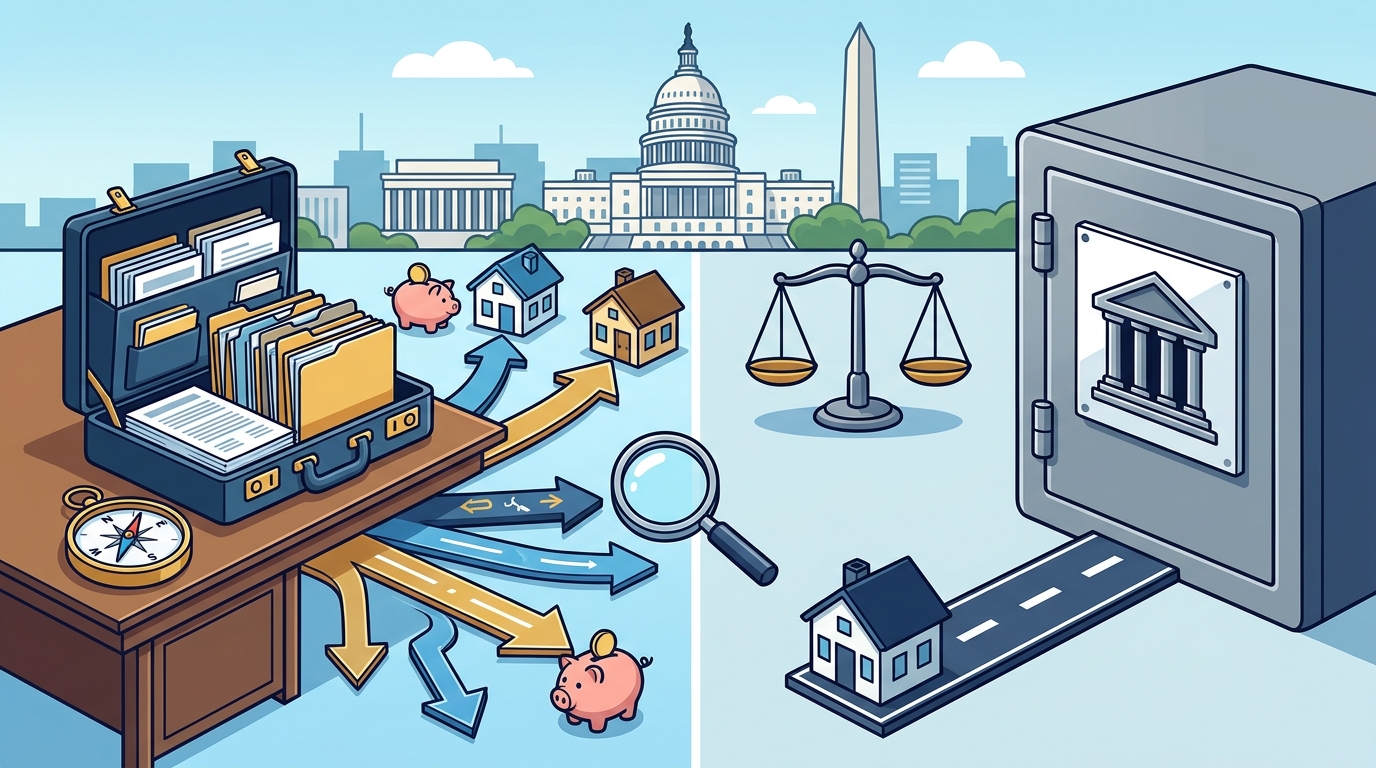
Choose a Broker If...
You should choose a mortgage broker if your financial situation is complex or if you want to ensure you are getting the best possible terms. This includes self-employed individuals, those with variable income, or buyers who want to optimize their long-term wealth building. A broker can explain the difference between a 30-year fixed and a 15-year fixed loan, or the implications of mortgage insurance, in the context of your specific goals. If you are in the DC area and want a partner who will advocate for you across multiple lenders, a broker is the right choice.
Choose a Bank If...
You should choose a direct bank lender if you have a very strong, traditional financial profile and a pre-existing relationship with that bank. If you have a high credit score, stable W-2 income, and significant assets, a bank may offer a competitive rate with fewer fees. Additionally, if you value the convenience of having all your financial accounts in one place, a bank may be preferable. However, be aware that you are limiting your options to a single institution's guidelines and pricing.
Frequently Asked Questions
Does using a broker cost me more money?
Not necessarily. Broker fees are typically paid by the lender and are built into the loan's interest rate or closing costs. A skilled broker can often find a lower rate or lower closing costs from a different lender, offsetting their fee. The key is to compare the total cost of the loan, not just the interest rate.
Can I switch from a bank to a broker after starting the process?
Yes, but it may take time. If you have already applied at a bank and been denied, or if you feel the terms are not competitive, you can stop the process and work with a broker. However, multiple credit inquiries in a short period can slightly impact your credit score, so it is best to decide early in the process.
How does Infinite Home Lending differ from a typical broker?
Infinite Home Lending focuses on strategic guidance rather than just rate shopping. We help you understand how your loan structure affects your long-term financial health, including equity building and cash flow. Our team provides education-driven advice, ensuring you make informed decisions based on your goals, not just the lowest headline rate.
Are brokers licensed in DC?
Yes, all legitimate mortgage brokers in DC must be licensed and registered with the NMLS (Nationwide Multistate Licensing System). You can verify a broker's license status through the NMLS Consumer Access database. Infinite Home Lending is fully licensed in Maryland, DC, and Virginia.
What if I have a low credit score?
A broker may be more helpful if you have a low credit score. They can find lenders with more flexible guidelines or government-backed programs, such as FHA loans, that are designed for borrowers with lower credit scores. A bank may be more likely to deny your application if you do not meet their strict internal criteria.
Next Steps for DC Homebuyers
Choosing the right financing partner is a critical decision that impacts your financial future. Whether you are a first-time buyer or a seasoned investor, the right loan structure can make a significant difference in your monthly cash flow and long-term wealth. Infinite Home Lending provides the clarity and strategic guidance you need to navigate this decision with confidence. To begin your journey, for a personalized consultation.